
Best Barefoot Shoes for Beginners

As your barefoot shoe guide, I’m here to help you find your first pair of barefoot shoes. This list of the best barefoot shoes for beginners breaks them out into different categories like most affordable, most cushion, widest options, etc to help you find the best fit for you.
What makes a good shoe for someone new to barefoot shoes?
If you asked ten different people for the best barefoot shoe for a beginner, you could get ten different answers. The best barefoot shoe will depend a lot about your feet, your body, your personal preferences, and your budget. However, most of us have adapted to a few features of conventional shoes, which is why it can be helpful to start with a transitional barefoot or minimalist shoe.
So, what have we gotten used to in conventional shoes?
Cushion— This is the biggie when it comes to transitioning to minimalist and barefoot shoes. Reducing the amount of cushion in our shoes is usually what takes people the longest to adjust to.
Unfortunately, the amount of cushion in shoes seems to be trending in the wrong direction, with companies designing shoes with more and more cushion. Even a fairly low cushion running shoe from a traditional brand will have about 20mm of cushion in the heel.
Because we are used to having so much cushion in our shoes, we may not be very aware just how hard we are slamming our heels down into the pavement when we walk or run. Transitioning to shoes with thinner soles can be a big wake up call. That’s why most of the options I’m listing here as the best beginner barefoot shoes have a bit more cushion than your true barefoot shoe, but still a lot less than most conventional shoes.
When I talk about the amount of cushion in a shoe, I’ll sometimes reference the total stack height, which is the thickness of the outsole plus the insole. Sometimes the insole is removable, so you can take it out to reduce the amount of cushion or replace it with a thicker insole for more cushion.
Arch Support — Getting rid of arch support can be another big adjustment. Part of it is the mental hurdle of accepting that healthy feet do not need support and function optimally without it.
Many shoes have stiff arch support, which limits the way and amount your foot can move, and usually leads to a weakened arch. Just like any muscle, it takes time to build the strength back up when we take the support away.
Heel Drop — Most conventional shoes are heeled, even if we don’t think of them in that way. It’s obvious to see the heel in high heels and dress shoes, but even tennis shoes have a drop from heel to toe with more cushion in the heel. Over the long-term, this can shorten the Achilles tendon, so you may feel a bit different when switching to a flat shoe. A zero drop shoe encourages a more natural walking and running gait, including a forefoot or midfoot strike when running.
Toe Spring — Toe springs are another common feature in conventional shoes. It’s where the toe of the shoe curves upward. This is usually to combat a more rigid sole, and make it easier for our foot to roll through while walking.

What are barefoot shoes?
The terminology can sometimes confuse people, especially as “barefoot shoe” is kind of an oxymoron. Barefoot shoes are essentially shoes that let you move and walk naturally, as if you were barefoot. Some people like to separate the range of barefoot shoes into “true” barefoot shoes (those with a very thin soles), and call the shoes with thicker soles or more cushion “minimalist shoes” or “transitional barefoot” shoes.
Most of the shoes we’ll be talking about here are in that “transitional barefoot” shoe bucket as they tend to have thicker soles with more cushion. So basically, they’re a barefoot shoe with cushion. They may also have a few other features that aren’t in a typical barefoot shoe, like a small heel drop, or a toe spring.
Here’s what to look for in your barefoot shoes:
Wide toe box — The toe box should be wide, allowing your toes to naturally splay. This means that your big toe can lie straight, so the toe box is either straight or splay out at the big toe. This is one of the most noticeable differences between a barefoot shoe and a conventional shoe, which has a tapered and almost symmetrical toe box.
Flat — The sole of the shoe should be flat, meaning no heels or significant upturn at the toe (called a toe spring). Most conventional shoes have a significant heel drop, so it can be an adjustment to get used to standing flat again. Some transitional barefoot shoes have a small heel drop (like 2 to 4mm) or a slight toe spring.
Flexible — Again, the focus here is allowing the foot to function naturally, so the shoe including the sole should be flexible and allow the foot to easily bend and move.
Thin — A barefoot shoes is typically thin, which allows for flexibility, ground feel and natural movement. Since the lack of cushion can be one of the hardest things about switching, this list of barefoot shoes for beginners is essentially a list of barefoot shoes with cushion.
Tips for transitioning to barefoot shoes
- Take it at your own pace. The most important thing in this process is to listen to your feet and body.
- Start by spending time barefoot each day. 30 minutes is a great place to start.
- Exercise and move your feet!
- Check your walking gait. Many of us have adapted our walking patterns based on the shoes we wear, so examine and correct your walking gait if needed.
- Measure your feet before making any purchases (read these instructions here). Most barefoot shoes are still only available from online retailers, and it’s best to understand a bit more about your feet including your measurements before you start looking at barefoot shoes. You’ll have the most success in transitioning to barefoot shoes if you find a pair that fit your feet well.
- Start by wearing your minimalist or barefoot shoes for a few hours a day. If this is too much at first, then scale it back. If your feet and body are comfortable with a few hours, add more.
- Consider adding a thin, flat insole to your barefoot shoes during your transition if you feel like you need more cushion. Instead of buying a pair of shoes with thicker soles (like Altras), you can opt for a thinner soled shoe and adding an insole that is a few millimeters thick for the extra cushion. That way, you can simply remove the insole when you’re comfortable with less cushion instead of having to buy a whole new pair of shoes. Many shoe brands sell insoles or provide them as part of the purchase. Several brands make insoles specifically for transitioning to barefoot shoes. See a list of insole options here.
I. Most Affordable Barefoot Shoes for Beginners
Saguaro Shoes
Sizes EU24 – 48 | $35+ | Free shipping | KELLY15 for 15% off

If you’re curious about barefoot shoes but aren’t quite ready to spend a lot of money on your first pair, Saguaro Shoes is a good place to start. They have a large selection of affordable minimalist shoes, with options for just about everything from everyday wear and exercise to hiking, water activities, and rainy weather. They also make shoes for the whole family, from toddlers through adults.
Saguaro uses flexible rubber soles that are around 6mm, plus a 3mm insole. That gives you a little more underfoot cushioning than some of the more minimal barefoot shoes, which can make them a comfortable starting point if you’re still getting used to a thinner, more flexible sole.
Another practical advantage for U.S. shoppers is that Saguaro has some shoes that ship from within the U.S. This can help you avoid an unexpected international shipping or duty bill. Just check the product listing before ordering to make sure the particular shoe you’re buying is marked as shipping from the U.S., since not every item necessarily ships from the same location.
There are plenty of reasons someone might be hesitant to try barefoot shoes, and I don’t think your first pair needs to be a major investment. A lower-cost option lets you try out the fit and feel of a more minimalist shoe, figure out what you like, and then explore from there.
Read the full review of Saguaro Shoes.
WHITIN Shoes
Sizes Kid’s – Men’s US 13 | $40+ | Free shipping and returns on Amazon

WHITIN shoes are another affordable, easy place to start when it comes to barefoot shoes. Even after trying lots of brands, many people still come back to WHITINs as some of their favorites. They’re sold through Amazon, with free shipping and returns, and many of their shoes are around the $40 mark.
I could give you all the studies and statistics about how barefoot shoes are better for your feet and body, but feeling the difference is where the real conversion happens. So if you can spare $40 on a pair of shoes, it can make a world of difference.
I’ve had so many people follow up to tell me how much they love their WHITIN shoes as their first pair of barefoot shoes several months after they’ve purchased them. I’ve had several family members purchase them too, and they’re still loving them several years later as a daily shoe. They have a few different styles of sneakers and a casual shoe that looks like Hey Dudes.
When you’re shopping WHITIN shoes, make sure you’re on their “Wide Barefoot” tab. They also have “Barefoot” tab, but most of these shoes look closer to conventionally narrow shoes.
WHITIN offers a handful of casual minimalist styles, as well as trail runners and zero-drop, wide toe box running shoes with cushion. Get all the info in this full brand review of WHITIN shoes.
Find a more complete list of affordable barefoot shoes here, as well as tips like when to shop for sales and where to buy gently used shoes.
II. Best Overall Barefoot Shoes for Beginners
Lems Shoes
Sizes Women’s US 6 – Men’s US 13 | $110+ | Stack Height start at 12.5mm

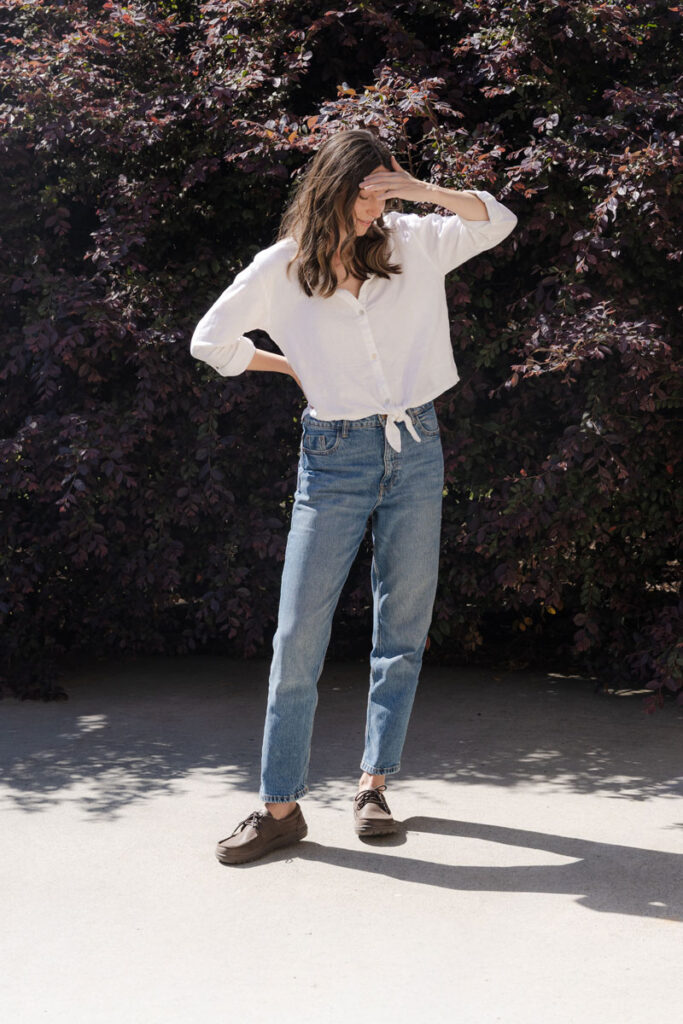
Lems were one of my first barefoot shoes. They were a good introduction to barefoot shoes as they have a wide comfy toe box and a little bit thicker soles with some cushion. The soles are made with air-injection rubber, so even with a thicker stack height, they’re still very lightweight.
Lems also offers a wide range of styles. Any one of them can be a great option depending on what you need, but the Primal 2s or Primal Zen are an athletic/casual shoe that can fill a lot of needs if you’re just looking to start off with one shoe you can wear often. The Primal 2s have a total stack height of 12.5mm, and the Primal Zen are slightly thicker at 14mm.
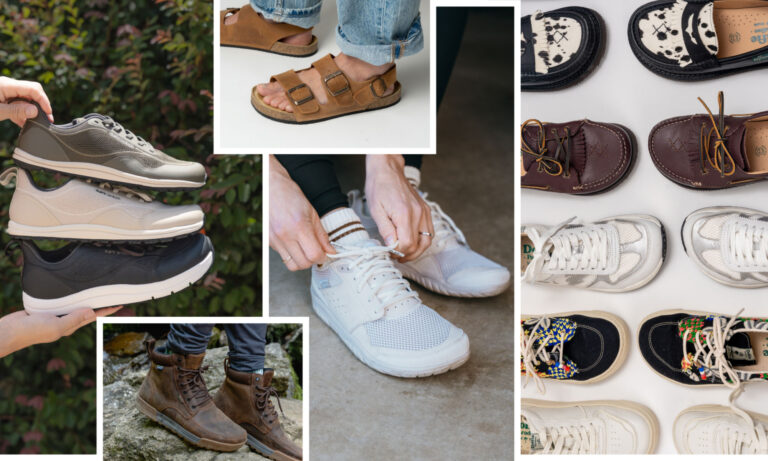
The Boulder Boots are a popular option for winter or those that want a comfortable work boot, the Nine2Five is a men’s business casual shoe, and there are plenty of casual and hiking options too.
See this full brand review of Lems shoes, including mini reviews on individual styles and tips on fit & sizing.
III. Most Cushion in Foot-Friendly Shoes
Altra
Sizes Women’s US 6 – Men’s US 13 | $130+ | Stack Height starting at 25mm

I know cushion can be one of the hardest things to give up, so here is an option that has a foot-shaped toe box and zero drop sole while still providing cushion when you’re first transitioning to barefoot shoes.
Altra shoes come in three different foot shape fits (essentially toe box widths). I would stick to their Original and Standard footshape fits. You can also get both of these shapes in a wide fit, which increases the overall width of the shoe, but doesn’t mean an additional width increase in the toe box.
All Altras are zero drop, but they do have a noticeable toe spring.
Altra shoes have varying amounts of cushion, and the least cushioned start around 25mm. Altra seems to be putting out narrower and more cushioned options lately, so I would keep that in mind as you browse their options. Many people that work long shifts on hard flooring (like nurses and other healthcare workers) often cite Altras as one of their favorites.
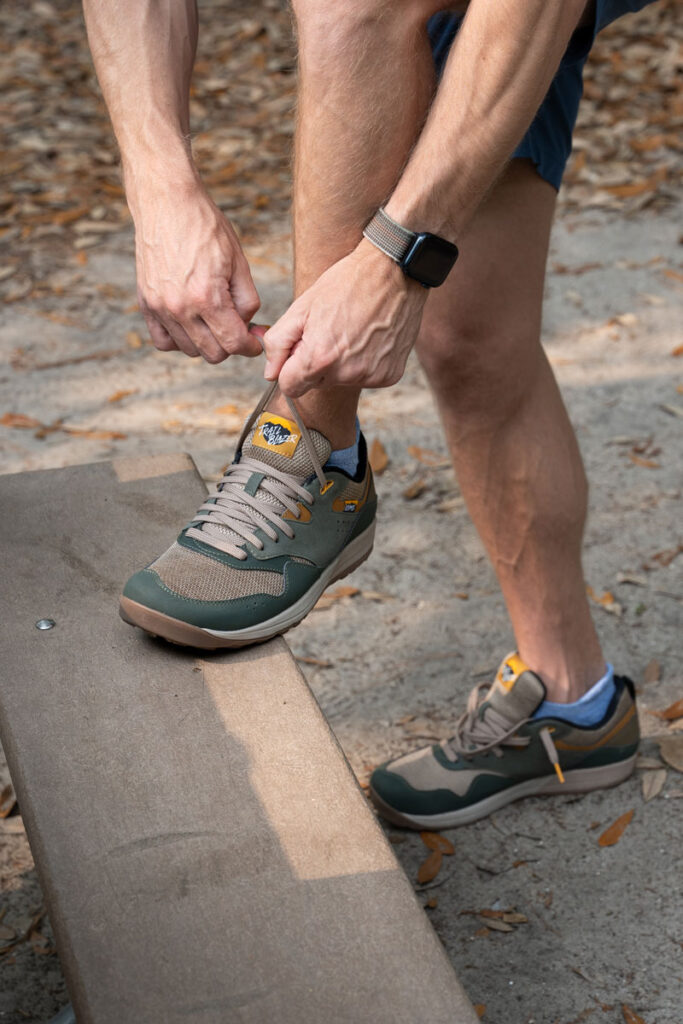
The Altra Lone Peaks are a great trail running shoe with 25mm stack height in the Original (widest) foot shape fit. The Torins are a good road running or everyday shoe with a 28 mm stack height in the Standard (medium) footshape fit. Both of these styles offer the wide width option.
Bahé
Mesh uppers | EU36 – 47 | Code BAREFOOTGUIDE for 10% off | Range of stack heights from 10mmm to 22mm

Bahé first created a grounded running shoe, and then updated their design to make an amazing minimalist shoe with a wide toe box and zero-drop sole. They now have running shoes, waterproof hiking shoes and boots. And several of the styles come in three different stack heights, starting with their most minimalist option at 10mm, up to their cushiest option at 22mm. I personally prefer the middle option most (the Adapt) at 14mm, which can be a great starting point for someone new to barefoot shoes.
The toe box is foot-shaped and very roomy, but the design elements don’t make it look noticeably wide. I can comfortably wear these with toe spacers.
The Revive are designed as running shoes, but are super comfortable to wear for everyday, and are especially great for those new to barefoot shoes. The shoes come with a removable 3mm insole. You can keep them in for extra cushion, or take them out to add more volume and ground feel.
I opted for an EU38 based on my 23.3cm foot measurement and found them to fit true to size. As someone with a higher instep that tends to prefer shoes with more volume, I found these had enough room, even with the extra insole still in. They accommodate medium to wide feet and medium to high volume best.


Topo Athletic
Sizes Women’s US 6 – Men’s US 13 | $120+ | Stack Height starting at 25mm


Topo Athletic is another running shoe company that offers wide toe boxes and low or zero drop shoes. Similar to Altra, they are not a barefoot shoe company though, so they still have a lot of cushion.
The zero drop shoes styles include the Magnifly4 and the St-4. Most of Topo Athletic’s other shoes have a slight heel drop of 5mm. All of the shoes have a toe spring.
The Magnifly4 is one of Topo’s least cushioned styles with a stack height of 25 mm cushion. The cushioning just goes up from there, so I would recommend trying their least cushioned models if you are trying to transition to barefoot shoes. Even though it has a similar amount of cushion to the Altras, I would describe the Topo cushion as less soft and springy. If you like something that feels a little more solid under your feet, Topo may be the better choice.
Dolfie Paradise
EU36 – 47 | $170+ | | Code KELLYDP10 for 10% off | Stack Height 9mm to 14mm
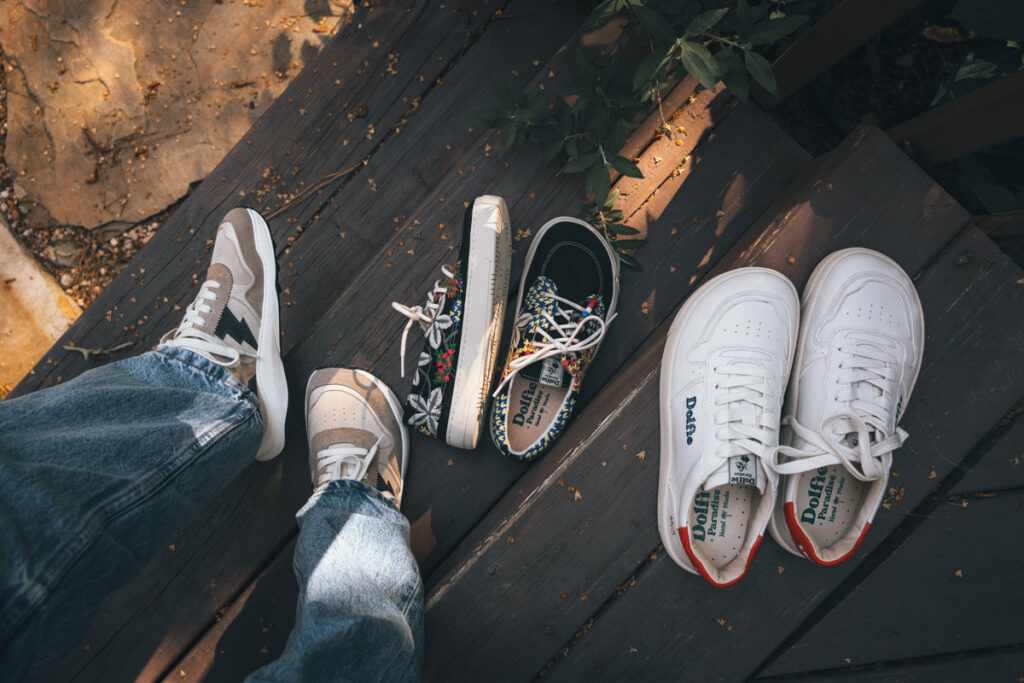
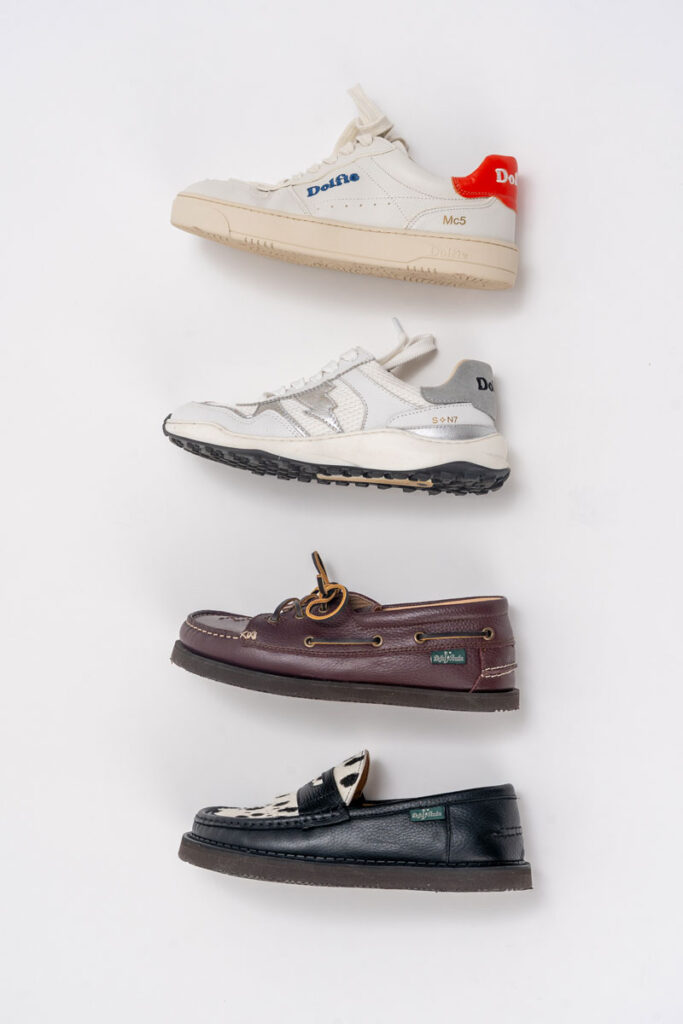
Dolfie Paradise is making some of the best-looking wide toe box shoes with moderate cushion right now. Each pair comes with two insoles (3mm and 8mm), so you can choose between more ground feel or a more cushioned, beginner-friendly option. My personal favorites are the Supersonic sneakers—hands down the coolest “dad sneaker” style I’ve seen—the MC5, which go with everything, and the Dylans, which have such a fun, laid-back vibe.
They also released a Heritage Collection that features more elevated styles including loafers and leather boat shoes. The quality on every pair feels exceptional, and the leather is truly premium. If you’re new to barefoot shoes and want something stylish and comfortable, Dolfie Paradise is one of the best places to start.
Flux Adapt Runner
Sizes Women’s US 5.5 – Men’s US 14 | $140 | Stack Height 30mm


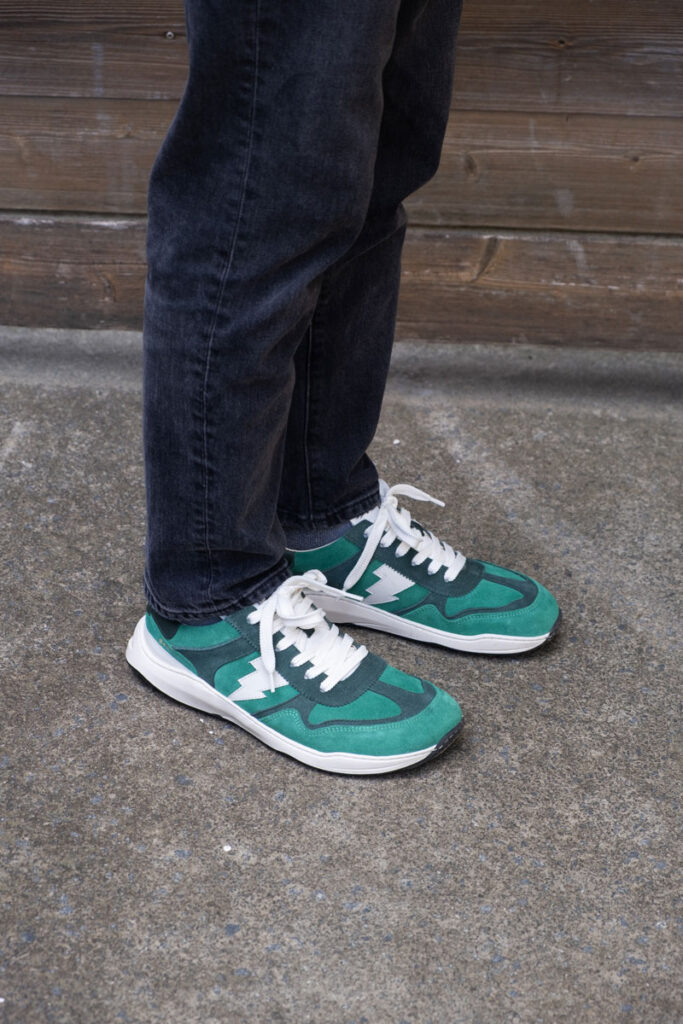
The Flux Adapt Runner is the least barefoot option on this list, but they are zero-drop with a wide, anatomical toe box. The sole is fairly stiff with 30 mm of cushioning and a significant toe spring, which means they provide a softer, less natural feel compared to true barefoot shoes. This design can impact the walking and running gait (especially the stiffness of the sole and the toe spring), but it may be beneficial for individuals who require more time or gradual assistance during the transition to minimalist footwear.
IV. Best Extra Wide Option
Wyde
Leather and suede uppers | 13mm+stack height | Extra wide | $140+ | Code KELLY for 15% off
Not everyone struggling with tapered toe boxes has wide or extra-wide feet, but there are definitely a disproportionate number of people with wider feet who end up looking to barefoot shoes for a better fit. The catch is that a foot-shaped shoe isn’t automatically a wide shoe. Many barefoot brands are still best suited to medium-width feet, so finding truly wide and extra-wide options can take some digging.
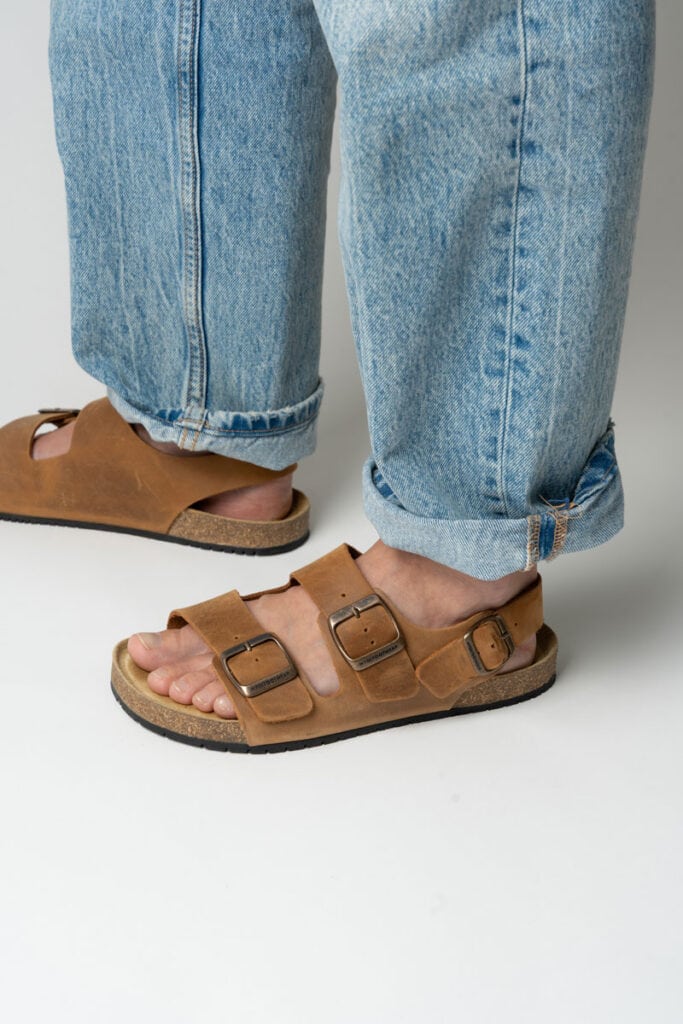
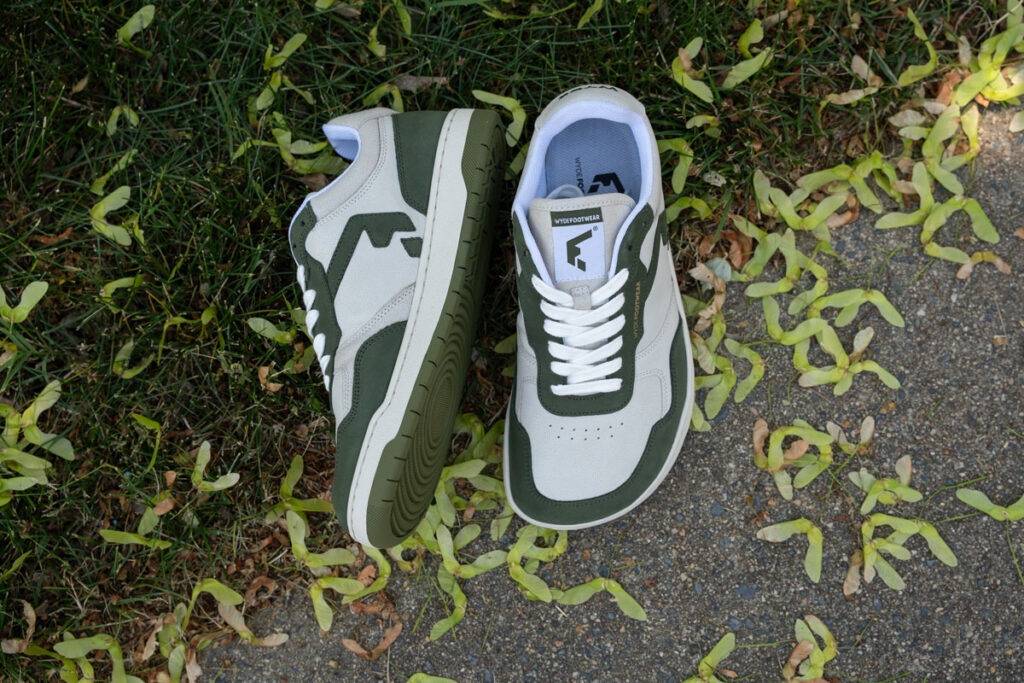
For wide and extra-wide feet, the aptly named Wyde is one brand worth checking out. Their shoes offer an extra-wide fit along with more cushion than you’ll typically find in a barefoot shoe. For example, the sneakers start out with a 10mm sole plus an insole for cushion. They make sneakers, sandals, and mules, so if the fit works for you, you can start building out a pretty solid barefoot shoe collection. My personal favorite is the Maia sandal with a strap which has cork footbed topped with foam that’s much more flexible (and personally I find much more comfortable) than a Birkenstock sandal.
Bohempia
Vegan hemp uppers | 7.5 mm stack height | Extra wide version | Starting at €115 | Code KELLY10 for 10% off

Bohempia’s barefoot shoes are already pretty generous in width and volume, but they also have an extra wide version. For example, the size EU40 has a width of 9.6cm on the standard barefoot shoes, and a width of 10.5 cm on the wide width barefoot 5shoes.
The outsoles are 3.5mm and the insoles are 4mm, so they have moderate cushion to help someone that’s new to barefoot shoes. Because they also tend to have more volume (or space from top to bottom), then can accommodate a thicker insole for most people. If you want more than the 4mm insole that comes with the shoe, you can swap them out for thicker ones. True North Soles specifically makes thicker insoles for barefoot shoes. You can read more about these insoles here.
Final Thoughts
If you’re new to barefoot shoes, don’t stress about finding the perfect pair right away. Honestly, it can take some trial and error to find what works best for you, and your feet and preferences may change as you transition to wearing barefoot shoes more often. A more affordable pair or one with a little more cushion can be a great place to start your barefoot shoe journey.
And if you’re ready to keep exploring, I have plenty more barefoot shoe guides to help you find the right options for everything from everyday sneakers to sandals, boots, and more.
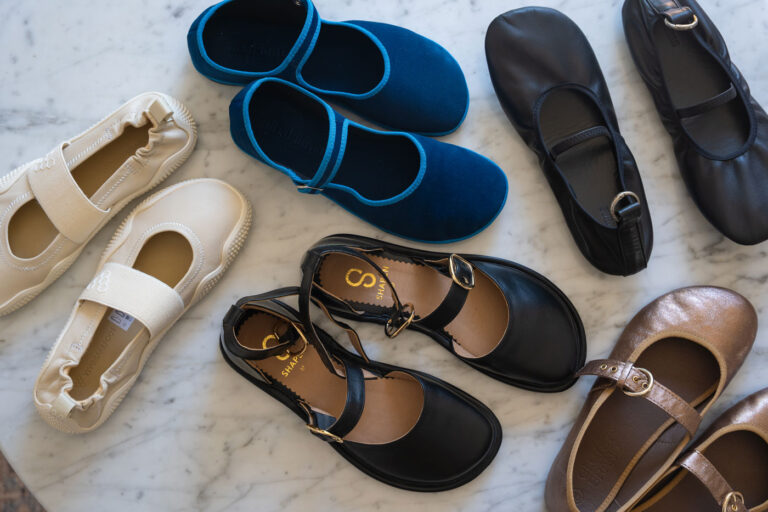



I am on board with the idea and my athletic shoes are mostly in the barefoot wheelhouse, but I just haven’t been able to make the transition with dress shoes. They are so expensive, especially when you consider that most are not leather. I am not paying well over $100 for fabric or vinyl that my feet sweat to death in.